World
Donald Trump’s Photo to Feature on US Passports: What It Means and Why It Matters

The decision to place Donald Trump’s photo on US passports marks a significant and highly visible shift in how official identity documents are presented.
Beyond the image itself, the change raises questions about symbolism, national branding, public trust, and the relationship between political leadership and government-issued documents.
What the Change Means
If a president’s image appears on a passport, it is more than a design choice. It signals a deliberate message about authority, identity, and the era in which the document was issued.
Passports are not just travel papers; they are state documents that represent citizenship and national legitimacy to foreign governments and border officials.
Featuring Donald Trump’s photo would visually tie the passport to his administration and the political moment associated with it.
For some, that may be seen as a statement of pride or continuity. For others, it may feel partisan, especially if they view passports as symbols that should remain strictly nonpolitical.
Why It Matters
A passport is one of the most important documents a person can carry. It is used internationally, verified by immigration officers, and recognized as proof of identity and nationality.
Because of that, even subtle design changes can carry outsized meaning.
The inclusion of a political figure’s photo can matter in several ways:
- Symbolism: It may suggest a new era of leadership or a desire to emphasize a particular political identity.
- Public perception: Citizens may interpret the design as either patriotic or politicized.
- Institutional neutrality: Critics may argue that passports should avoid personal political branding.
- International image: Foreign officials may read the design as a reflection of how the United States presents itself.
Potential Public Reactions
Reactions would likely be mixed. Supporters of Trump may see the passport photo as a bold and memorable representation of his influence.
They may view it as a sign that his presidency has left a lasting mark on American identity.
Opponents, however, may criticize it as unnecessary or divisive. They may argue that government documents should represent the nation as a whole rather than a single politician.
In a polarized climate, even a small design feature can become a major cultural flashpoint.
The Broader Implications
This issue goes beyond aesthetics. It touches on the role of government in shaping national symbols and the line between civic identity and political messaging.
If official documents begin to reflect individual leaders more prominently, it could open the door to further personalization of state institutions.
On the other hand, supporters may argue that major political figures are part of national history and that their presence on official documents can reflect the realities of democratic leadership.
The debate ultimately centers on what passports should communicate: neutrality, continuity, nationalism, or historical memory.
Conclusion
Donald Trump’s photo on US passports is significant not because of the image alone, but because of what it represents.
It challenges assumptions about the neutrality of government documents and invites a broader conversation about national identity, political symbolism, and public trust.
Whether seen as a powerful statement or an unnecessary politicization, the change matters because passports are enduring symbols of the state itself.


England v New Zealand – second test, The Oval: England off to strong start despite Stoke’s absence
Fed holds US interest rates steady amid uncertainty over Iran deal
Women’s T20 World Cup: India claim convincing win over Netherlands
Tennis: Best shots as Arthur Fery reaches Queen’s quarter-finals
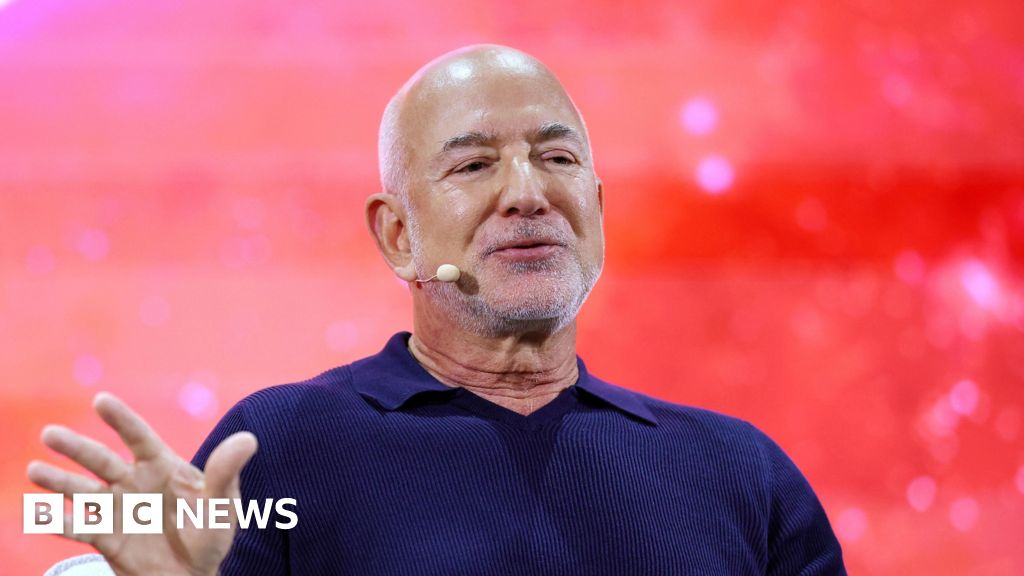
Jeff Bezos says AI will create more jobs at VivaTech Paris
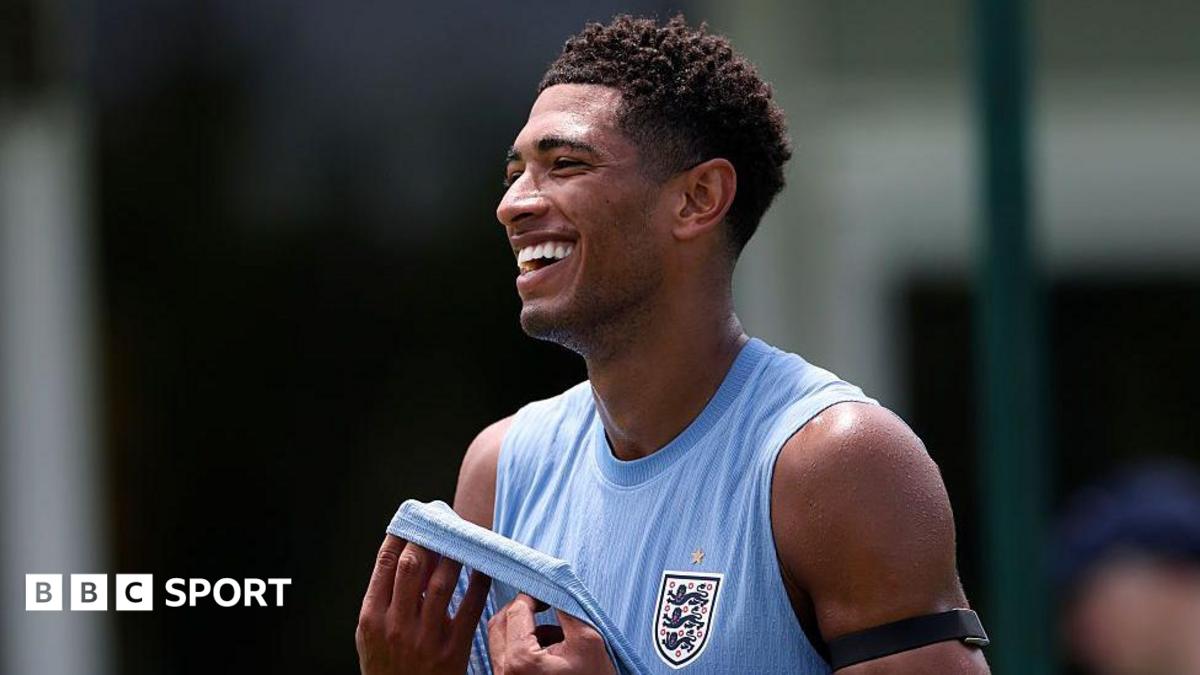
World Cup 2026: Jude Bellingham set to start in England number 10 role against Croatia
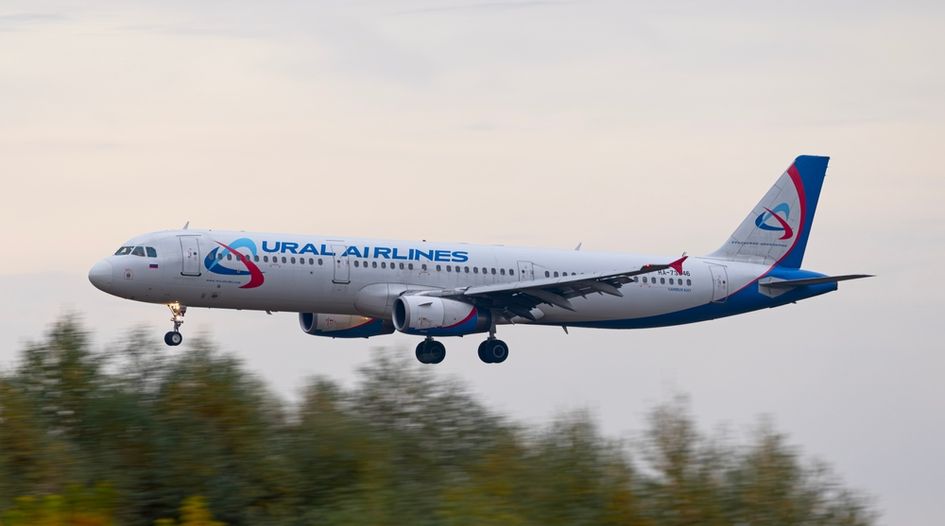
OFSI issues largest-ever Russia fine to travel tech company
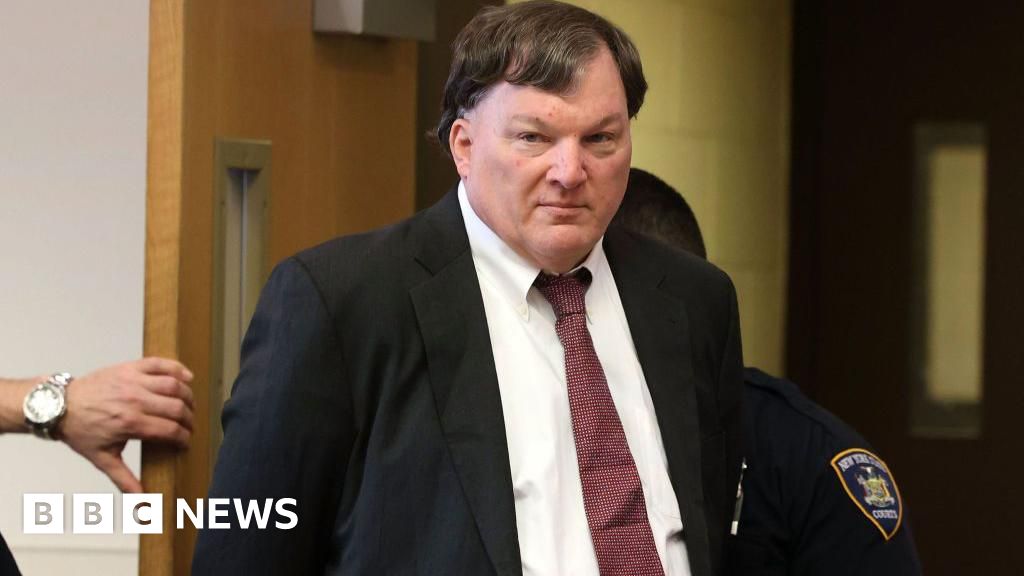
Gilgo Beach serial killer Rex Heuermann sentenced to life in prison
Google, Nvidia and Anthropic bosses’ AI tips for students