World
Friedrich Merz: The Future of Germany’s Political Landscape?

As Germany approaches pivotal elections and faces a multitude of challenges, the question of who will guide the nation into its next chapter is more pressing than ever. At the forefront of this discourse is Friedrich Merz, the leader of the Christian Democratic Union (CDU). This article explores whether Merz could be the figure to redefine Germany’s political landscape in the years to come.
Background of Friedrich Merz
Friedrich Merz was born on November 11, 1955, in Brilon, Germany. After pursuing law at the University of Bonn, he quickly climbed the ranks within the CDU. His political career took off in the late 1990s when he served as the leader of the CDU/CSU group in the Bundestag. After a period away from frontline politics, he returned to lead the party in 2021. His experience in business, combined with his political acumen, positions him as a seasoned figure within German politics.
Political Views and Policies
Merz is known for his clear conservative stance, advocating for free-market principles, economic reform, and a strong Germany within the European Union. He emphasizes policies such as tax reduction and deregulation as means to invigorate Germany’s economy, which he argues is necessary for the nation’s competitiveness on a global scale.
Moreover, Merz has been vocal about security issues, stressing the importance of a robust defense policy in response to global instability. His views on immigration reflect a more stringent approach, which resonates with a section of the electorate concerned about integration and social cohesion.
Challenges Ahead
While Merz’s experience and policies offer a roadmap for Germany, he faces significant challenges. The political environment is increasingly polarized, with parties like the Greens and the far-right AfD gaining traction. Additionally, the ongoing repercussions of the COVID-19 pandemic and the energy crisis stemming from geopolitical tensions add layers of complexity to governance.
Internally, Merz must unite a party that has seen varying factions since Angela Merkel’s long tenure. Balancing the desires of traditional conservatives with the increasing demands for progressive change will be crucial for his leadership.
The Road Ahead
As the CDU prepares for the next national elections, Merz’s ability to articulate a compelling vision for Germany’s future will be under scrutiny. His focus on economic revitalization and social stability will resonate with voters looking for effective leadership in uncertain times. However, his success will ultimately depend on his capacity to unite various stakeholders and lead the party through the often tumultuous waters of modern governance.
Conclusion
Friedrich Merz stands at a crossroads in Germany’s political arena, offering traditional values infused with a modern perspective. His leadership could indeed redefine the CDU and impact the broader German political landscape. Whether he can successfully navigate the myriad challenges ahead will determine not only his political legacy but also the trajectory of Germany itself.


Tennis: Best shots as Arthur Fery reaches Queen’s quarter-finals
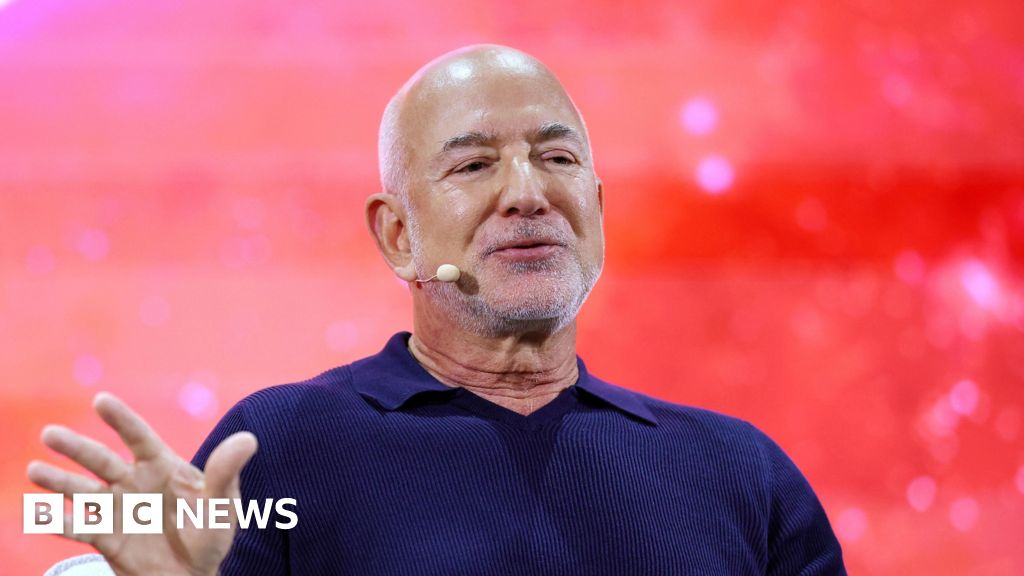
Jeff Bezos says AI will create more jobs at VivaTech Paris
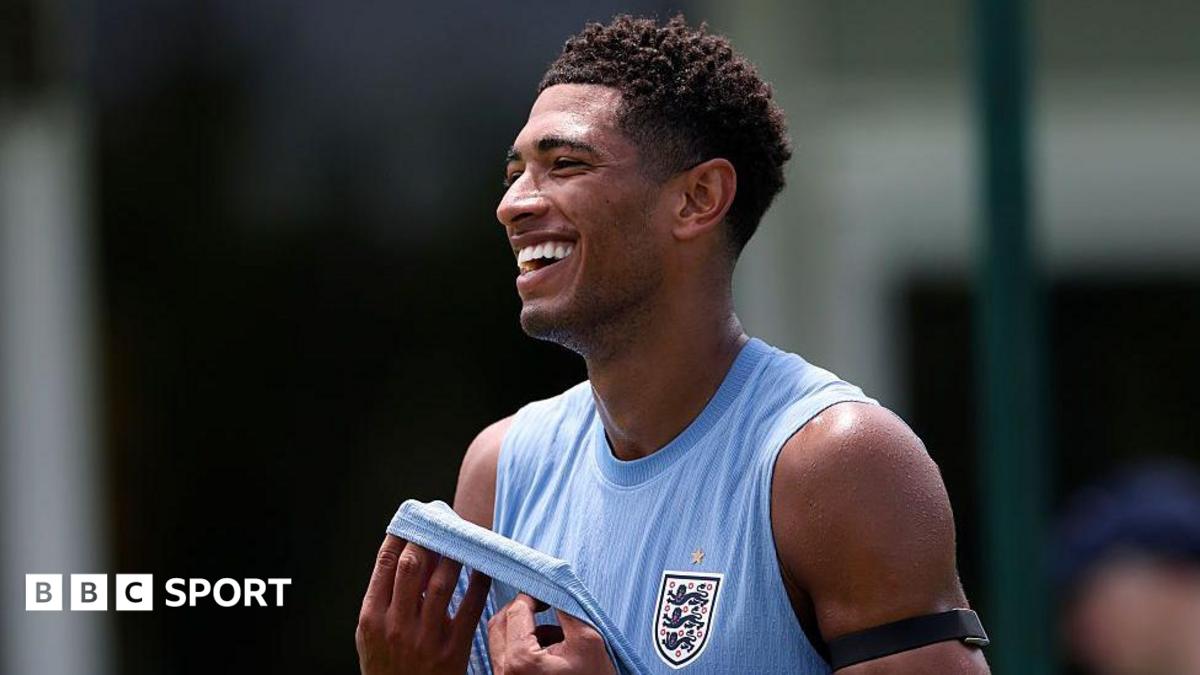
World Cup 2026: Jude Bellingham set to start in England number 10 role against Croatia
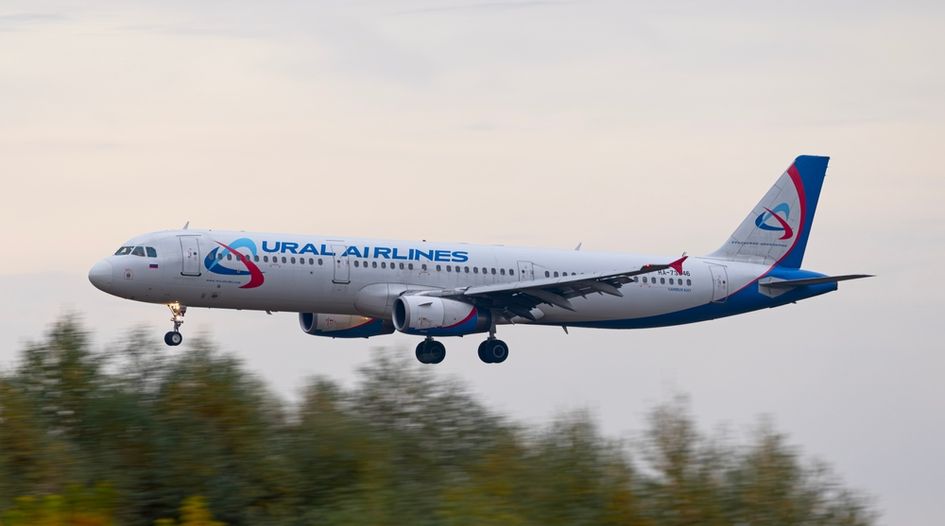
OFSI issues largest-ever Russia fine to travel tech company
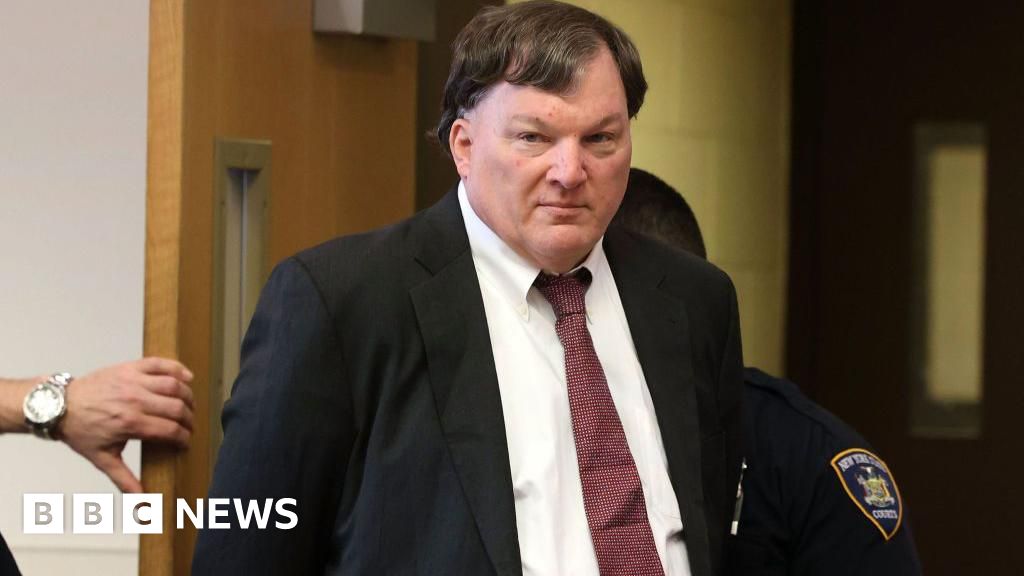
Gilgo Beach serial killer Rex Heuermann sentenced to life in prison

Google, Nvidia and Anthropic bosses’ AI tips for students
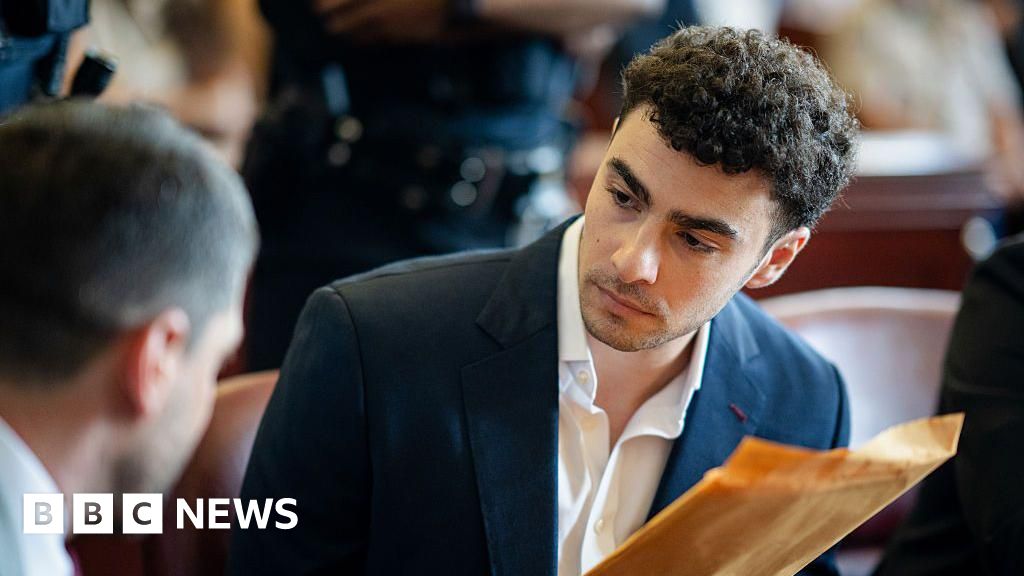
Luigi Mangione’s lawyers plan psychiatric defence in state murder trial

Driving test wait time target will not be met until autumn next year

T20 World Cup: England captain Nat Sciver-Brunt out for at least two matches with calf injury